
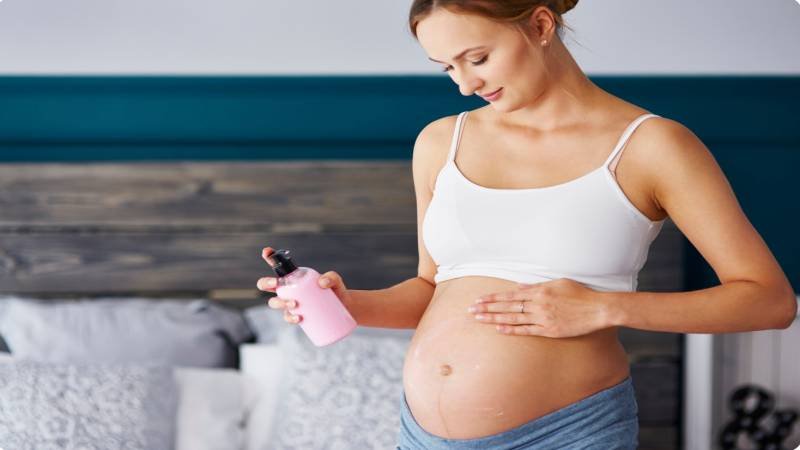
Pregnancy has a funny way of making you question products that once seemed completely ordinary. A moisturiser sitting on the bathroom shelf can suddenly become something you want to research before using again. That is especially true with skincare, because ingredient lists can be long, product claims can be confusing, and “pregnancy safe” is not always as straightforward as it sounds.
One question many expecting mothers have is: i’m a pregnant woman. are nivea products safe compared to burt’s bees or mustela?
The reassuring answer is that you do not necessarily need to abandon every skincare product you already own. NIVEA says its cosmetic products are evaluated for safety and skin compatibility and are considered safe for pregnant and breastfeeding women. Mustela, meanwhile, has a dedicated maternity collection specifically developed around pregnancy and postpartum skincare.
Still, pregnancy is a good reason to look at skincare a little differently. The individual formula matters more than the name on the bottle.
A simple NIVEA moisturiser, a Burt’s Bees body butter, and a Mustela maternity cream are very different products, even though all three may be marketed for skin hydration.
The Most Important Thing to Know About Pregnancy Skincare
There is no universal “best pregnancy skincare brand.”
Instead, think about three things:
- What does the product contain?
- What are you using it for?
- Does it suit your skin and your pregnancy-related needs?
A basic moisturiser is very different from an acne treatment or anti-ageing serum containing active ingredients.
That distinction is important because some skincare ingredients deserve particular caution during pregnancy. The American College of Obstetricians and Gynecologists recommends avoiding topical retinoids during pregnancy, while dermatology guidance also recommends discussing treatment products with a healthcare professional when you are unsure about an ingredient.
So rather than asking whether an entire brand is safe or unsafe, check the actual product.
Is NIVEA a Reasonable Choice During Pregnancy?
For ordinary cosmetic skincare, NIVEA’s position is quite clear.
The company’s UK FAQ says its cosmetic products undergo safety and skin-compatibility evaluation before being introduced to the market and that its products are considered safe for pregnant and breastfeeding women. It also recommends speaking with a GP or midwife if you have particular concerns.
That means there is no reason to assume that NIVEA products are unsuitable simply because NIVEA is a general skincare brand rather than a maternity-only company.
NIVEA also specifically mentions its Q10 Firming Body Oil as suitable for massaging the belly during pregnancy.
For someone who already uses a familiar NIVEA cleanser, moisturiser, or body product, there may be no need to replace everything simply because pregnancy has begun.
However, always check the specific product.
NIVEA makes hundreds of different products, and they are not all formulated for the same purpose.
What Makes Mustela Different?
Mustela is different mainly because pregnancy and baby care are central to the brand.
Its maternity range is designed specifically for pregnancy and postpartum concerns, including changing skin, dryness, and stretch marks. Mustela states that its maternity products are safe for mothers and developing babies.
The company also says its product-development process includes extensive safety testing and independent toxicologist involvement.
One current Mustela maternity lotion is described as safe for mother and baby, tested under dermatological and gynecological control, fragrance-free, and compatible with breastfeeding.
That dedicated approach can be reassuring.
If you specifically want a product created for pregnancy, Mustela may be easier to navigate because the purpose of the range is already clear.
But that does not mean every woman needs to switch from NIVEA to Mustela.
Where Does Burt’s Bees Fit In?
Burt’s Bees is another popular choice for people who prefer products featuring nature-inspired ingredients.
The brand has pregnancy-focused skincare products, including products designed to moisturise the belly during pregnancy.
This can make Burt’s Bees attractive to someone who prefers a more botanical approach to body care.
However, there is an important misconception worth clearing up:
Natural does not automatically mean safer.
Plant-based ingredients can still cause irritation or allergic reactions. If you have sensitive skin or known allergies, reading the ingredient list remains important regardless of whether a product is marketed as natural.
The same principle applies to NIVEA and Mustela.
A product should be judged by its formulation and intended use, not just by its marketing style.
NIVEA vs Burt’s Bees vs Mustela
If you are trying to choose between the three, this simple comparison may help:
| Brand | Why You Might Choose It | What to Remember |
|---|---|---|
| NIVEA | Everyday moisturising and general skincare | Check the individual formula |
| Burt’s Bees | Nature-inspired and botanical-style products | Natural ingredients can still cause sensitivity |
| Mustela | Pregnancy and maternity-focused skincare | Particularly convenient for pregnancy-specific concerns |
There is no need to treat skincare like a competition.
You can use a NIVEA moisturiser and a Mustela pregnancy body product if that combination works for you. You could also use a Burt’s Bees body product and a sunscreen from another company.
Mixing brands is completely normal.
What Ingredients Should Pregnant Women Be Careful With?
This is where pregnancy skincare becomes more important than brand loyalty.
Retinoids and Retinol
Retinoids are commonly found in anti-ageing and acne skincare.
During pregnancy, topical retinoids are generally recommended to be avoided. ACOG specifically lists topical retinoids among the skincare ingredients to avoid during pregnancy.
If you have been using retinol before pregnancy, do not simply assume that you should continue because it is an over-the-counter cosmetic.
Talk to your obstetrician, midwife, dermatologist, or pharmacist about what you have been using.
Acne Treatments
Pregnancy acne can be frustrating. Hormonal changes may cause breakouts even if you normally have clear skin.
The temptation can be to reach for a strong acne treatment immediately.
That is where caution is useful.
The American Academy of Dermatology recommends discussing acne treatments with your healthcare professional during pregnancy because some commonly used acne ingredients and medications are not appropriate.
A gentle cleanser and moisturiser may be enough for mild concerns, while persistent acne may need professional advice.
Strong Active Products
The more active a product is, the more carefully you should consider whether it is appropriate during pregnancy.
This does not mean every active ingredient is dangerous.
It simply means you should avoid making assumptions.
If you are unsure, take the product or its ingredient list to your healthcare provider.
Pregnancy Can Make Your Skin More Sensitive
Pregnancy can change how your skin feels.
A product that once seemed perfect may suddenly feel too heavy, drying, or irritating.
If that happens, simplifying your routine can be a good idea.
Try sticking to:
Morning
- Gentle cleanser if needed
- Moisturiser
- Sunscreen
Evening
- Gentle cleanser
- Moisturiser
Body
- A comfortable body lotion, cream, or oil
You do not need ten different products to have a good skincare routine.
In fact, using fewer products makes it easier to understand what your skin actually likes.
What About Fragrance?
Fragrance is not automatically dangerous during pregnancy, but it can be relevant if your skin becomes sensitive.
If a fragranced product makes your skin itchy or uncomfortable, there is no reason to force yourself to continue using it.
Some Mustela maternity products are specifically offered without added fragrance. For example, its Maternity Essential Care lotion is described as fragrance-free.
If you have sensitive skin, a simpler, fragrance-free option may be more comfortable.
The important thing is to distinguish skin sensitivity from pregnancy safety. A product can be safe to use during pregnancy while still irritating your particular skin.
Is a Pregnancy-Specific Brand Necessary?
No.
This is probably one of the biggest misconceptions surrounding maternity skincare.
You do not automatically need a pregnancy-specific brand for every product.
Mustela’s maternity collection is useful because it is specifically designed around pregnancy and postpartum needs. But NIVEA says its cosmetic products are considered safe for pregnancy and breastfeeding as well.
If your normal moisturiser works well and contains no ingredients your healthcare provider has told you to avoid, there may be no reason to replace it.
On the other hand, if you want a stretch-mark product specifically created for pregnancy, a maternity-focused brand may feel more appropriate.
It is ultimately a personal choice.
Stretch Marks: Which Brand Is Better?
Stretch marks are one of the biggest reasons women search for pregnancy skincare.
As your body changes, the skin around the abdomen, hips, breasts, and thighs can stretch.
Moisturising these areas can help keep the skin comfortable and hydrated. However, it is important not to expect any cream or oil to guarantee that stretch marks will not develop.
Mustela has a dedicated maternity stretch-mark collection and says its maternity products are designed to support moisturised, healthy, comfortable skin during pregnancy.
NIVEA also offers body-care products that can be used during pregnancy, including the Q10 Firming Body Oil mentioned in its body-care FAQ.
If you prefer Burt’s Bees, you can also choose a pregnancy-focused body moisturiser from that brand.
The best product is generally the one you are comfortable applying consistently and that does not irritate your skin.
A Beginner-Friendly Pregnancy Routine
If you are overwhelmed by all the options, start here.
Step 1: Cleanse Gently
Use a mild cleanser to remove sweat, makeup, sunscreen, and everyday buildup.
Avoid aggressive scrubbing.
Step 2: Moisturise
Apply a moisturiser that feels comfortable for your skin.
If your skin is dry, choose something richer.
If your skin is oily, a lighter texture may feel better.
Step 3: Protect Your Skin From the Sun
Sun protection is important during pregnancy, especially because hormonal changes can contribute to pigmentation.
If you are unsure about which sunscreen to use, ask your healthcare provider or dermatologist for a recommendation appropriate for your skin.
Step 4: Moisturise Your Body
Apply lotion, cream, or oil to areas that feel dry or tight.
If you specifically want maternity care, Mustela has pregnancy-focused options, while NIVEA and Burt’s Bees also offer body-care choices.
Step 5: Avoid Unnecessary Complexity
You do not need to introduce five new products at the same time.
Add products one at a time.
That makes it easier to see how your skin responds.
What If You Already Have a NIVEA Product?
Don’t panic.
If you are already pregnant and have been using NIVEA, start by checking the exact product.
NIVEA says its cosmetic products are considered safe for pregnant and breastfeeding women.
If it is a basic moisturiser or body lotion, there may be no reason to suddenly throw it away.
If it is an intensive treatment product, anti-ageing product, or acne treatment, look carefully at the ingredients and discuss anything unfamiliar with your healthcare professional.
The same advice applies to Burt’s Bees and Mustela.
What If You Want the Simplest Choice?
If your priority is general everyday moisturising, NIVEA can be a straightforward option.
If your priority is pregnancy-specific skincare, Mustela is particularly easy to understand because its maternity range is designed around pregnancy and postpartum concerns.
If you enjoy nature-inspired skincare, Burt’s Bees may be worth considering.
But none of those choices automatically makes one brand the “safest” for every pregnant woman.
Your individual needs matter.
Final Verdict
So, i’m a pregnant woman. are nivea products safe compared to burt’s bees or mustela?
The practical answer is that NIVEA can be a reasonable choice during pregnancy, and you do not automatically need to replace it with Burt’s Bees or Mustela. NIVEA says its cosmetic products are evaluated for safety and considered safe for pregnant and breastfeeding women.
Mustela has an advantage if you specifically want pregnancy-focused skincare because its maternity range is developed around the needs of expecting and new mothers. Burt’s Bees can also be an appealing option if you prefer its nature-inspired approach and pregnancy-oriented body-care products.
The most important factor, however, is the individual product and its ingredients.
Do not choose a skincare product simply because it says “natural,” “maternity,” or “gentle” on the packaging. Read the ingredient list and pay particular attention to treatment ingredients. Retinoids are a notable example of ingredients that pregnancy guidance recommends avoiding.
For most everyday pregnancy skincare, keeping your routine simple is a sensible strategy: cleanse gently, moisturise, protect your skin from the sun, and use a comfortable body moisturiser where needed.
And if you are uncertain about a particular product or ingredient, your obstetrician, midwife, dermatologist, or pharmacist is the best person to ask.
Pregnancy does not mean you have to stop caring for your skin. It simply means that choosing products thoughtfully becomes a little more important.
Medical disclaimer: This article provides general educational information and is not a substitute for personalised medical advice. Pregnancy-related skincare decisions can depend on your health history, allergies, medications, and the exact products you are using. Always consult a qualified healthcare professional if you are unsure whether a particular skincare ingredient or treatment is appropriate during pregnancy.